What makes great dog walking?
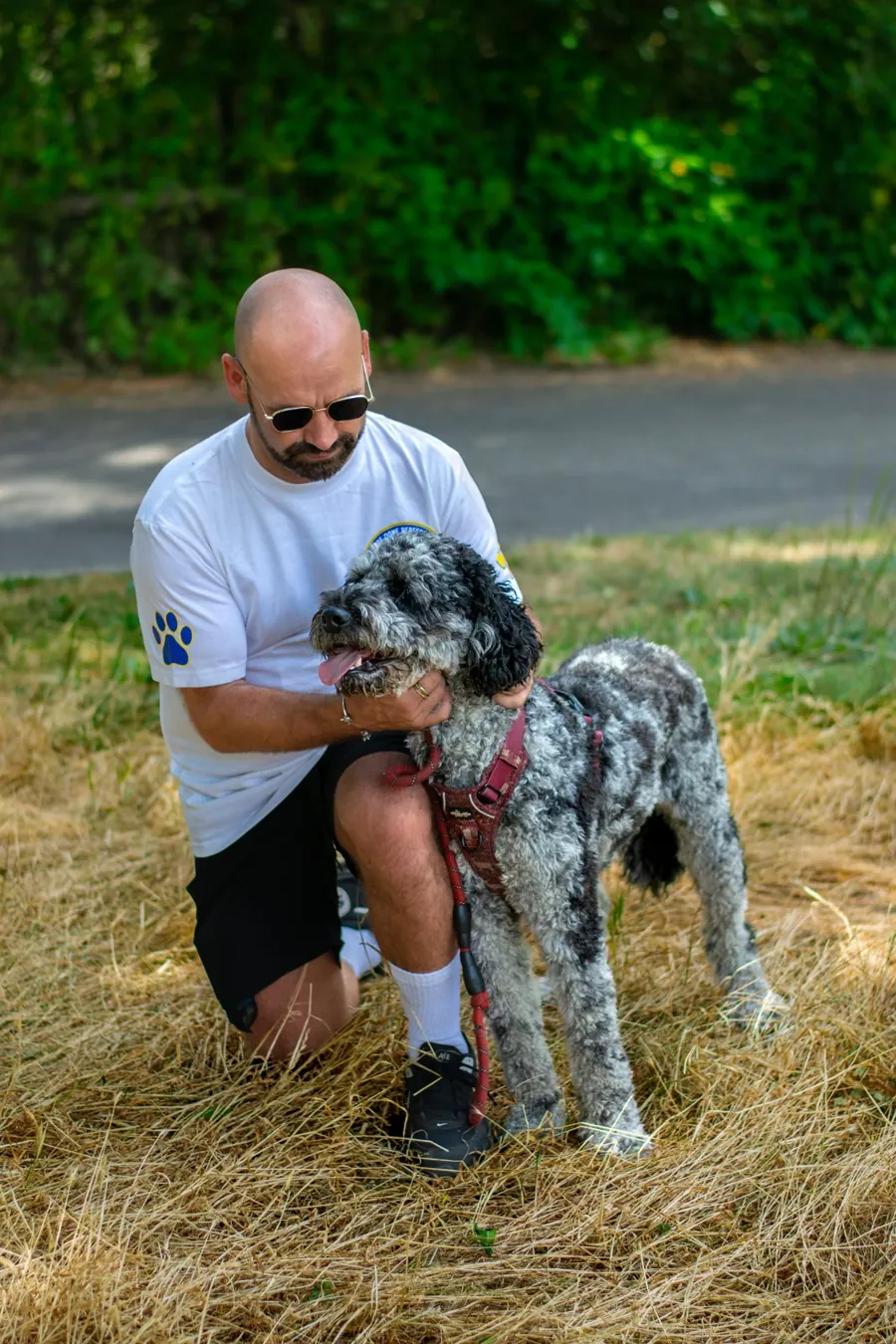
The best dog walkers do three things well: they keep your dog safe, they keep them stimulated, and they keep you informed. That means insurance , enrichment-led walks in small groups, and live photo updates so you’re never left wondering.
Choosing the right service for your dog
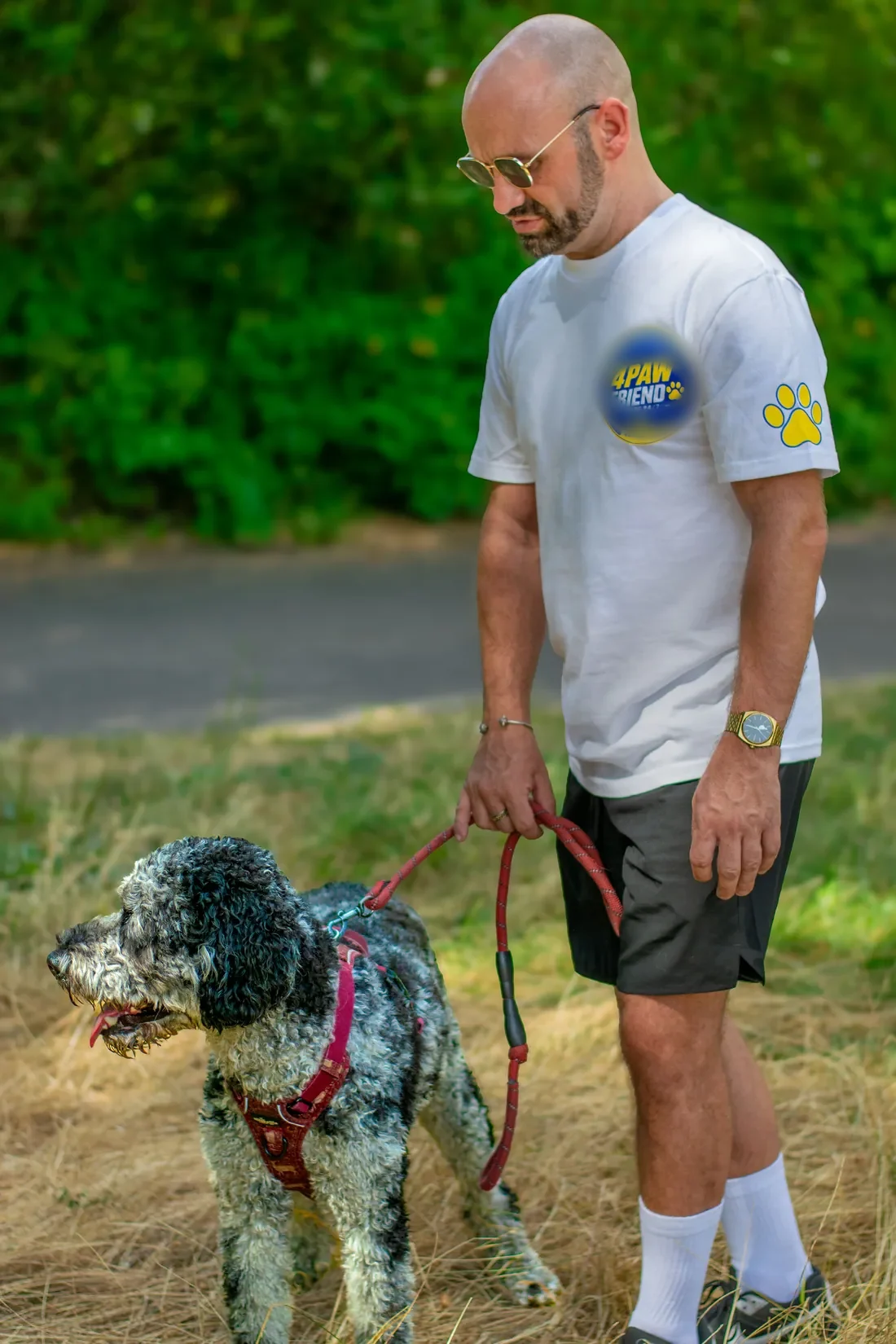
Explore all of our South London dog walking and Doggy Days Out services to find the right fit.
- Group walks — sociable dogs thrive in small, managed groups with new friends and fresh routes.
- Solo walks — perfect for puppies, senior dogs or nervous dogs who need one-to-one attention.
- Doggy Days Out — structured, supervised days out for dogs who’d rather not be home alone.
Why South London chooses 4 Paw Friend
We’re proud to be one of South London’s most trusted dog care teams — with, 93 dogs walked every week, and a genuine love for what we do. Every service is fully insured, and includes door-to-door pick-up and live updates.
“They look after Gigi like she’s their own. Reliable, wonderful, and flexible — a loyal customer for life. Best walkers ever!” — Rachel, verified
“Joe and the team have been amazing with Hugo. He never has a bad day with 4 Paw.”
Areas we cover
Clapham, Battersea, Brixton, Stockwell, Vauxhall, Kennington, Oval, Lambeth, Pimlico and Wandsworth — across South London Zones 1 & 2.
Book a free meet & greet
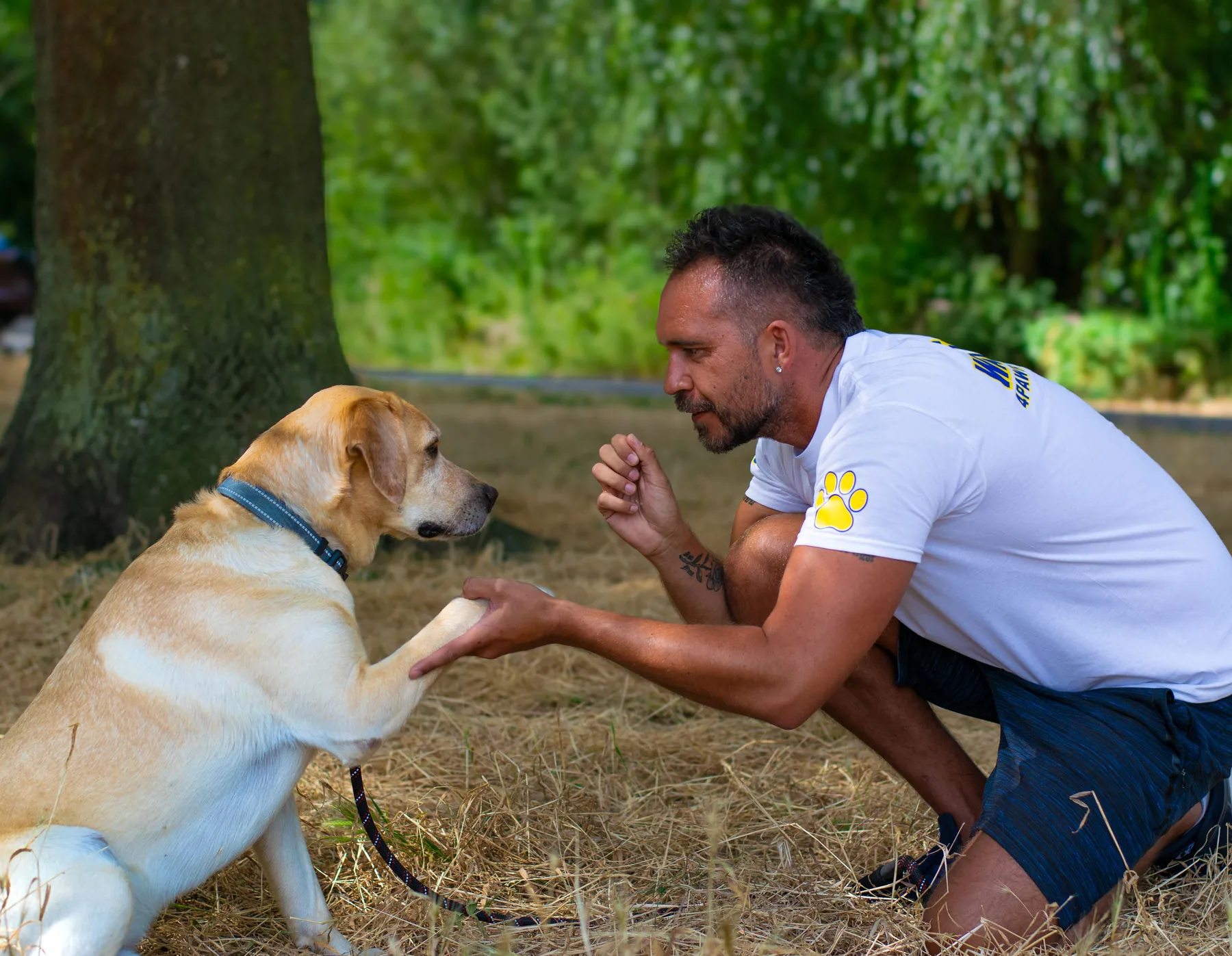
Ready to give your dog the best? Register online in under a minute and book a free meet & greet with the team.
For much more detail, our area-by-area guide to dog walking in South London goes through every neighbourhood we cover, and our Doggy Days Out guide does the same for full days out.
How to compare dog walkers without just comparing prices
Most people choosing a dog walker in South London end up comparing the only number they are given, which tells them almost nothing about what their dog’s hour will actually be like. These are the things that genuinely differ between providers.
Group size. Ask for the real number, not a range and not “small groups”. The difference between four dogs and eight is the difference between a walker who can intervene and a walker who is managing.
How dogs are matched. A good answer mentions temperament, play style, size and pace. A bad answer is “they all get on fine”. Ask what happens when two dogs in a group stop getting on.
Where the walk happens. A walk on the pavement around your block and a walk on Tooting Common are both “a walk”. Ask where, specifically, and how they get there.
Who, exactly. In a team, ask whether you get a consistent named person and whether you will meet them before booking. Consistency matters more than people expect: a familiar walker is faster at the door, better for a nervous dog, and far more likely to notice that something is different about your dog today.
The questions that separate good from average
What happens if my dog is hurt? You are looking for a vet protocol, a named decision-maker and somebody who answers the phone – not reassurance that it has never happened.
What happens if you are ill? Every walker has a bad day eventually. The question is whether cover comes from somebody who has already met your dog, or from a stranger with your keys.
How will I know the walk happened? Photographs of your dog, in the place they went, the same day. Not a message saying it went well.
Will you tell me if something goes wrong? The honest providers volunteer the scuffles, the limps and the refused meals. The ones who never have anything to report are usually the ones not looking.
Will you tell me if my dog does not need this? A walker willing to tell you that your dog would be better off on a different service, or on fewer days, is one worth keeping.
Our area-by-area guide to dog walking in South London works through all of this in detail, area by area, and explains which green spaces suit which kind of dog.